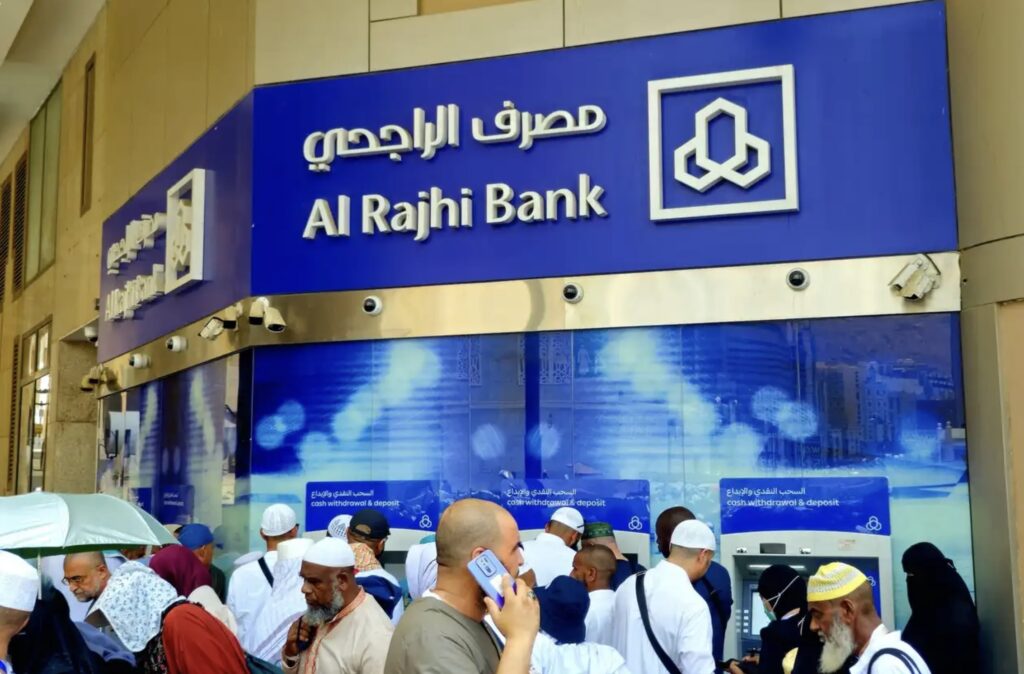
Beginner Islamic Banking and Finance Course - Online
Beginner
Level
6
Lessons
Price
7 day free trial
Online
Type
Most Islamic banking courses are taught by people who don’t actually understand Islamic finance.
Sounds harsh, but it’s true. You’ll find brilliant Islamic scholars who’ve never set foot in a bank. Or finance experts who treat Islamic principles like a tick-box exercise, going no further than theory.
Islamic banking and finance courses either throw around fancy Islamic terms without explaining them properly or they’re taught by people who understand banking but not Islamic principles.
This course starts with the very basics and builds on that. So you have a solid foundation to stand on.
Six lessons. Real understanding. No confusion.
Students Will Learn:
- The definition and types of Riba (usury) and its prohibition in Islam.
- The impact of Riba on individuals, society and the economy.
- Practical alternatives to Riba-based financial systems, such as Islamic banking and finance models.
- How to navigate modern banking systems and financial practices while avoiding Riba.
- The ethical and legal implications of Riba in the context of Islamic jurisprudence.
- You'll master the foundations of Islamic banking that actually matter in today's world. We don't waste time on fluff, every lesson teaches you something you can use and understand immediately. No prior knowledge needed. Each lesson builds on the last one, so you're never lost or confused.
Why Learn Islamic Banking and Finance?
Growing demand for Shariah compliant finance worldwide

The global Islamic finance industry is worth trillions and its growth isn’t slowing. This isn’t just happening in Muslim countries, major Western banks are launching Islamic divisions to meet demand.
HSBC, Deutsche Bank and Goldman Sachs all offer Islamic banking products now. Malaysia has become a global Islamic finance hub. Even the UK government issues Islamic bonds.
Understanding Islamic finance opens doors in this expanding market. Whether you’re looking for career opportunities or investment options, this knowledge gives you an edge.
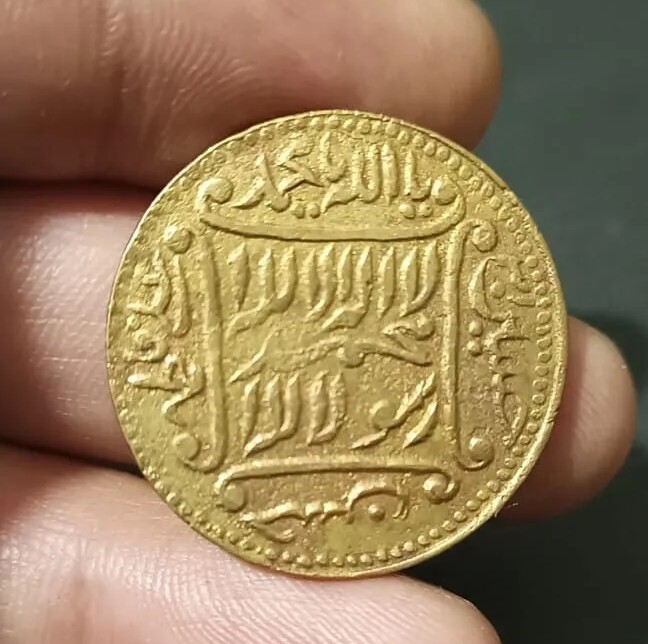
Ethical alternative to interest based systems

Islamic banking offers a fundamentally different approach that focuses on real economic activity instead of debt creation. It’s built on partnership, risk-sharing and tangible assets rather than interest and speculation. This matters more than ever. The 2008 financial crisis? Real Islamic banks weathered it much better because they couldn’t engage in the risky practices that caused the meltdown in the first place.
Make decisions with confidence
Right now, you probably second-guess every banking decision. Is this mortgage structure really Islamic? Can you trust that “Shariah-compliant” label? What about your current account, is it actually following Islamic principles?
Islamic banking isn’t just another finance option, it’s a complete approach that’s reshaping how millions handle money. Whether you’re Muslim or simply interested in ethical finance, understanding these principles will change how you see banking forever.
Who is this Course for?
This course is perfect for anyone who wants to understand Islamic finance properly, regardless of your background or experience level.
Students of knowledge
Islamic studies students often learn theory but struggle to connect it with modern banking reality. This course bridges that gap by showing you exactly how classical Islamic principles apply to today’s financial world.
Entrepreneurs
Running a business while staying halal can feel like walking through a minefield. Should you accept that business loan? Is invoice financing Islamic? What about equipment leasing or trade finance?
Investors
The Islamic investment world is full of opportunities and plenty of confusion. Sukuk, Islamic funds, commodity trading, real estate investment trusts, the options are growing rapidly.
Non-Muslim Finance Professionals
Understanding Islamic finance gives you a competitive advantage in an increasingly diverse financial landscape. Major banks are expanding their Islamic divisions and clients are asking questions you might not know how to answer.
Learning Outcomes and Skills You’ll Gain
By the end of this course, you’ll have practical skills that transform how you approach Islamic finance decisions. These aren’t just theoretical concepts, they’re tools you’ll use in real life, whether for personal banking, business or professional development.
You’ll understand riba at a level most people never reach, including many working in Islamic banks. We don’t just tell you “interest is haram”, we show you exactly why and what counts as riba.
About the Instructor

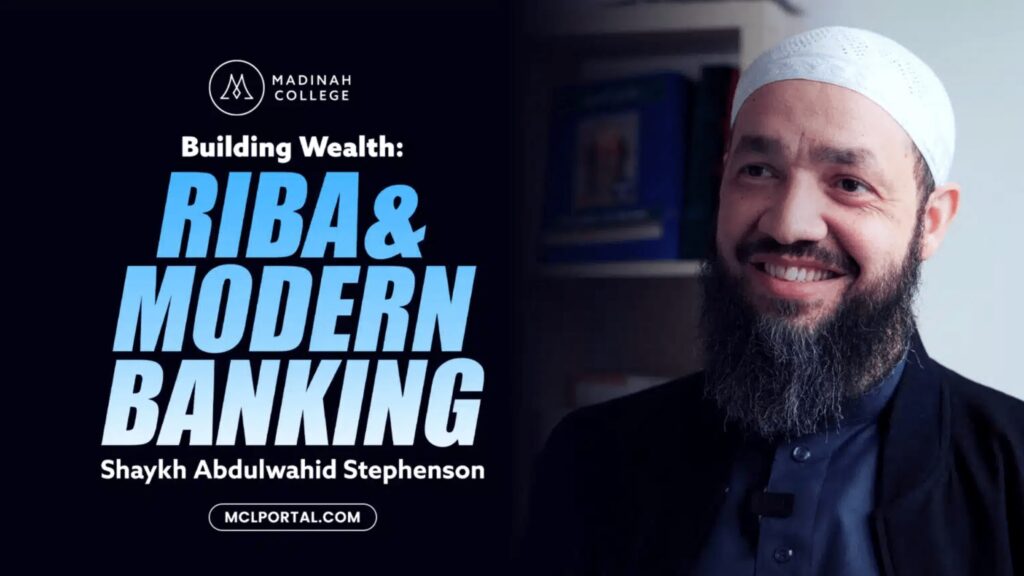
Ustadh Abdulwahid Stephenson brings together authentic Islamic scholarship with practical teaching experience that actually works. With over 15 years in education, he knows exactly how to make complex Islamic concepts clear and understandable for beginners.
Ustadh Abdulwahid studied Islamic Jurisprudence at the Islamic University of Madinah, Arabia. One of the most respected Islamic institutions in the world. This isn’t just any qualification, it’s the gold standard for understanding Islamic law and its practical applications.
FAQ
Do I need prior knowledge of finance or Shariah law?
No prior knowledge required, we assume you’re starting completely fresh. This course is specifically designed for beginners who want to understand Islamic banking without getting lost in jargon or complex theories.
How will this course help me in my career?
Islamic finance knowledge opens doors in the fastest growing sector of global banking. Major institutions like HSBC, Deutsche Bank and Goldman Sachs are expanding their Islamic divisions to meet increasing demand from Muslim and ethical investors. Understanding Islamic banking principles gives you skills that most finance professionals lack.
Can international students enrol?
It doesn’t matter if you’re from the UK, USA, Australia, India and beyond, you can enroll in this and any of our courses.
Learning Path
Lesson 1: Definition & Prohibition of Riba
Lesson 2: Types of Riba
Lesson 3: Riba in Transaction
Lesson 4: Modern Banking Practice
Lesson 5: The Student Loans Compromise
Lesson 6: Necessity